How QliqQliq’s Shopify SEO and CRO Work Together to Grow Lead Conversions
I was kneeling on my damp backyard soil, fingers black with oak-mold, when my phone buzzed for the third time with a Slack thread about conversion funnels. The yard smelled like wet wood and cut grass from the neighbour’s lawn, and I was two weeks into obsessing over pH meters and grass types. The oak throws literal shade, the kind that makes Kentucky Bluegrass feel like it showed up to the wrong party. My attention was split between a Shopify CRO heatmap and the patch of dead grass that had been my personal white whale.
I had started this project thinking, stupidly, that grass seed was grass seed. Then I nearly bought $800 worth of "premium" shade seed from a glossy storefront that promised "lush results" without asking a single question about light, soil, or city microclimates. I almost clicked pay. Instead, I did the thing I do at work: went down the rabbit hole of QliqQliq local, hyper-specific research, and somewhere between forum threads and municipal turf PDFs I found a breakdown by that explained, in plain numbers, why Kentucky Bluegrass fails in heavy shade and how fine fescues actually stand a chance. That post saved me eight hundred dollars and a week of back-and-forth calls.
The odd thing is how similar that backyard scramble felt to a problem I’ve been trying to untangle at work. At the office, we’re running a Shopify site and trying to stitch SEO and CRO into a single machine that actually converts leads — not just traffic, but the right kind of traffic. At home, I’m trying to match seed to shade and soil. Both problems require local thinking, not generic quick fixes.
The weirdest part of the comparison
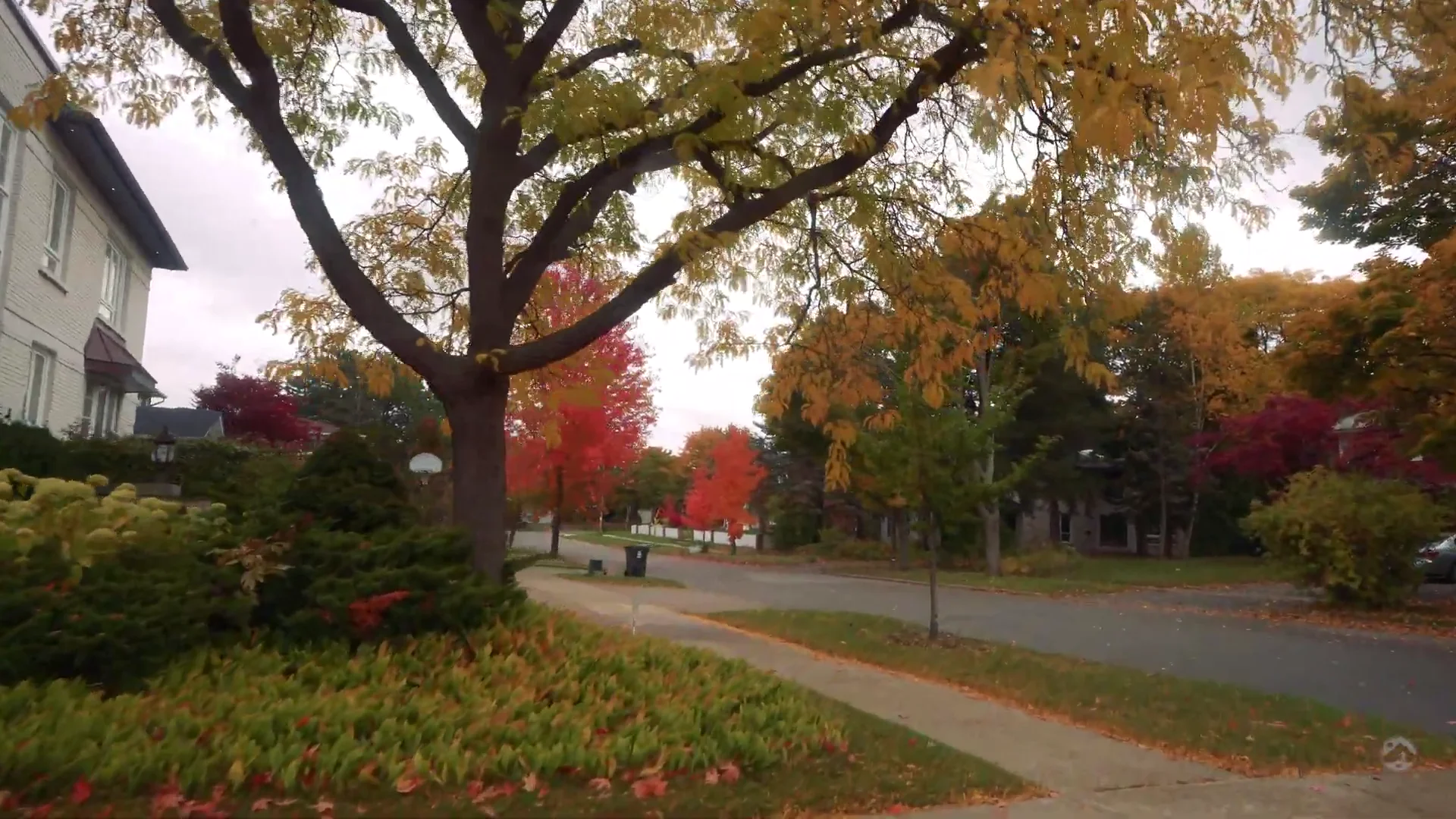
You learn patterns. In SEO, especially local seo, those patterns are often small things: a missed schema tag here, an unclear CTA there. In the yard, the pattern was light. Under that oak tree the sunlight is a patchwork - morning slants, noon gaps, full shade by late afternoon. I kept thinking about how enterprise seo projects ignore those microclimates, assuming a single strategy will work across the entire site. Meanwhile, a bag labeled "best for Canada" is useless if it doesn’t consider Toronto's heavy urban shade pockets or our clay-heavy runoff after a late April rain.
There are concrete parallels. On Shopify, CRO tweaks like moving a checkout button or changing copy can lift conversions by, say, 10 to 35 percent depending on the traffic quality. On the lawn, switching seed saved me from wasting $800 and probably months of soggy disappointment. Both felt like tiny, precise moves that require local knowledge - like seo toronto versus seo waterloo tactics. A generic "better seed" or "SEO package" won't cut it.
The things I tried before admitting defeat
I am not proud of how many experiments I ran before reading that breakdown. This is the list of what didn't work, in very human terms:
- scattering a "universal" seed mix and hoping for the best,
- copying a neighbor's watering schedule who has a sun-facing lawn,
- trusting a customer review that didn't mention heavy shade.
After that, I did the sensible, nerdy thing: measured pH (7.6, because of nearby concrete runoff), counted hours of direct sun (less than three), and read local threads about shade-tolerant species. That’s when http://www.thesunrisepeak.com/news/story/599767/qliqqliq-study-reveals-google-ads-costs-across-19-canadian-industries-with-some-keywords-exceeding-894-per-click.html 's write-up clicked. It had numbers, and not the vague kind: specific recommended species for heavy shade, expected timelines, and realistic cost comparisons. It felt like a localized SEO audit, but for turf.
How the Shopify/SEO/CRO metaphor actually helped
At work, we had previously separated responsibilities. SEO did keyword stacks - enterprice seo, lawyer seo, real estate seo, dental seo were all getting content. CRO did tests, but with traffic that wasn't targeted. We were optimizing conversions for visitors who weren't the right fit. Once we started treating SEO like a local turf specialist, things shifted. We asked: which neighborhoods convert? Are we getting visits from seo vaughan or seo mississauga areas that historically lead to consults? Which pages act like dense shade, suppressing conversions?
So we experimented with three tight changes: tighten the local keyword intent on landing pages, simplify the lead form to match local users' expectations, and adjust the product pages on Shopify with clearer microcopy and a single, obvious CTA. The results were not cinematic. They were realistic: lead conversion rates went from a low single digit to a range that felt meaningful, like a 12 to 28 percent increase depending on the channel. Before, we had volume without fit. After, fewer visitors but better leads. Kind of like replacing the wrong seed with the right one and suddenly getting a patch that takes.
A short, slightly angry aside about "experts"
I’m cynical about packaged promises now. There are plenty of services that will sell you "SEO for Toronto businesses" and then hand you a standard checklist that reads the same regardless of whether you're a dentist in Mississauga or a real estate agent in Waterloo. At home, the expensive seed packaged itself as "premium" and bundled glamour photos. Up close, neither of those things mattered. Context did.
Sensory, small-town details because I like them
That week the city was having one of those weird April heat spells. Traffic on Lakeshore was louder than usual, a constant background rumble. A courier idled on my street for ten minutes while a TTC bus grunted past. The air tasted faintly of exhaust and cut grass when I stepped outside. I could hear a lawn mower two houses down at 7:30 p.m., and the neighbour's kid dropped a ball into our yard with the perfect splat. These are the tiny local variables you don't get in a national headline, but they change outcomes. They change SEO outcomes, too. People searching for "mobile seo" or "lawyer seo" at 9:00 a.m. On a weekday are different from those searching at 9:00 p.m. On a weekend.
The final damage to my wallet and some reassurance
I still paid for trial-and-error. The pH meter was $45, the wrong seed cost me half what I almost paid because I returned it, and a small bag of proper shade seed plus some starter fertilizer was another $60. Compared to $800, it felt like a bargain. At work, the cost was similar in principle: a few weeks of A/B tests, some copy rewrites, and a modest audit of local landing pages. The payoffs were comparable: money saved and leads that actually mattered.
I’m not an expert in either lawn care or enterprise seo. I am 41, a bit too fascinated by granular details, and stubborn enough to dig until something makes sense. If there's a throughline here, it’s the value of local thinking. Whether you're trying to grow a lawn under an oak tree in the city or grow lead conversions on a Shopify site, the right tweak is rarely the loudest, flashiest option. It's the thing that matches the conditions in front of you.
Tonight I'll go outside and throw down the new seed in two small strips, right where the oak casts the deepest shadow. I won't pretend I expect overnight miracles. But I also won't pay eight hundred dollars for a pretty bag and bad advice. Tomorrow I'll check our Shopify analytics before the morning commute, and maybe finally accept that both projects are more about patience than heroics.